Design
The evolution of design in the twentieth century follows one clear line: from decoration toward clarity.
In the world of graphic design, there are a few movements that have not only stood the test of time, but also forever changed the way we look at design and visual communication. Three of these influential design movements, Bauhaus, Swiss Style and the International Typographic Style, laid the foundation for what we consider modern and effective design today. Let’s get a deeper understanding of each of these movements, including their mottoes and key design principles.
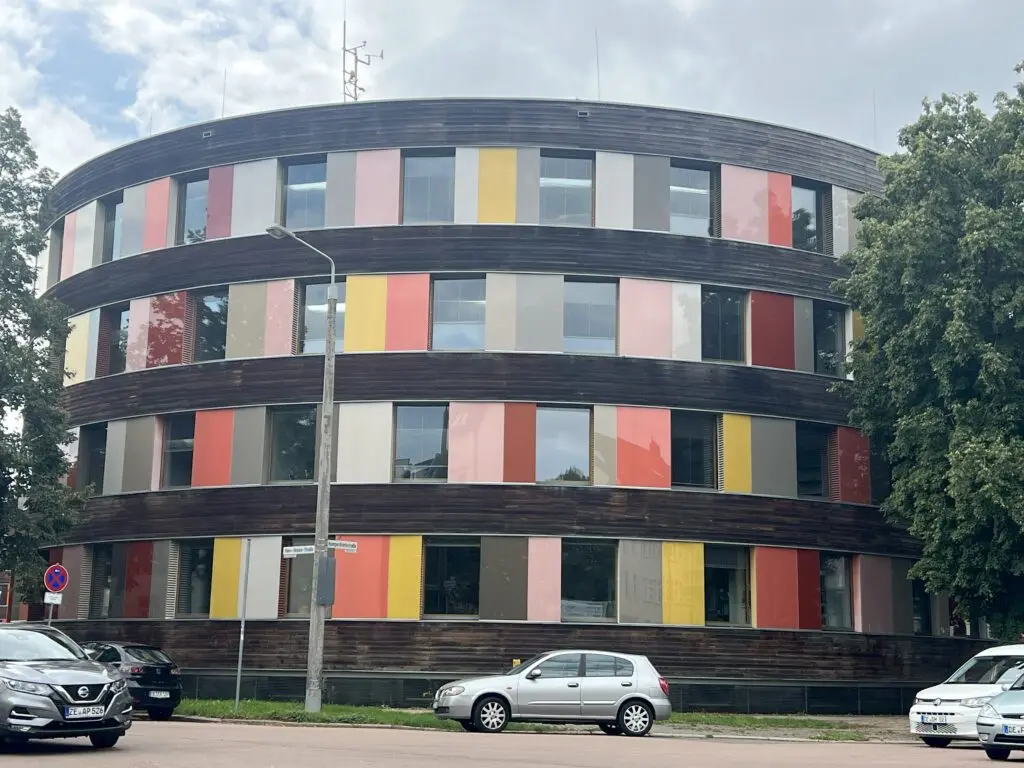
In 1919, the Bauhaus was founded in Germany by Walter Gropius, and it marked the beginning of a revolution in the design world. The motto “Form follows function” perfectly sums up what this movement stood for. Bauhaus sought the perfect symbiosis of art, craft and technology to create functional and aesthetically pleasing designs.
Originating in Switzerland in the mid-20th century, Swiss Style, also known as the International Typographic Style, was influenced by Bauhaus, but emphasized clarity, legibility and objectivity in design. This movement was often applied to posters, printed matter and corporate identity.
Want to read more about where the evolution of design started? The history of the Bauhaus is a good starting point. For practical tips, read our articles on the Bauhaus grid system and Swiss style graphic design.
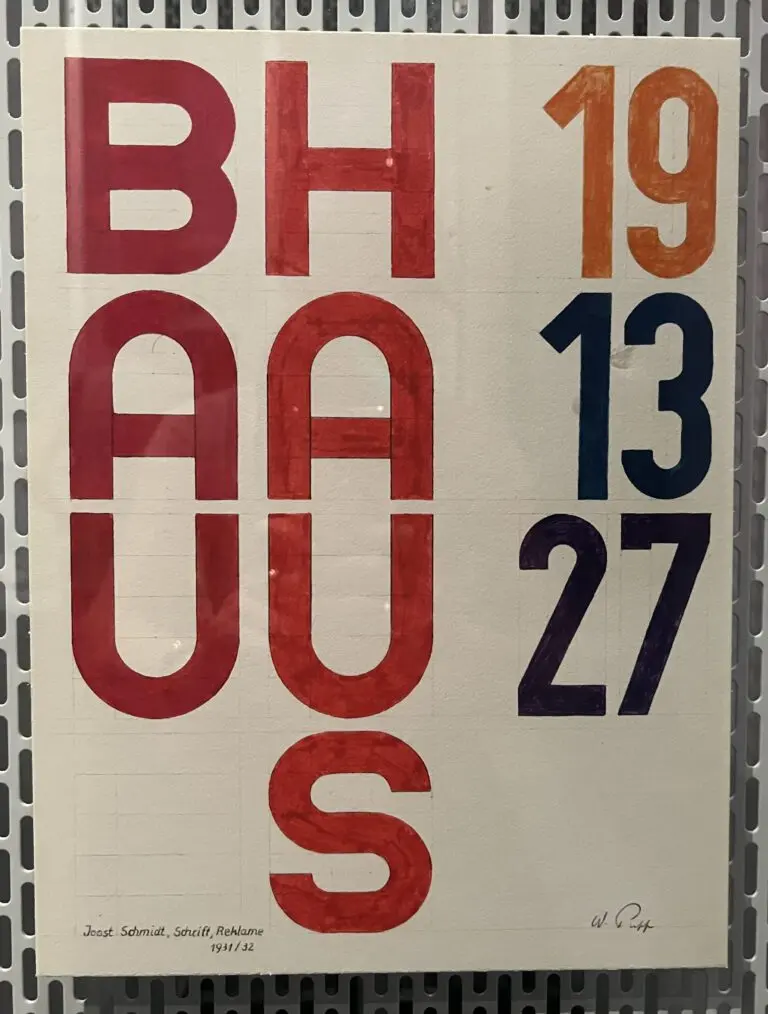
Key design principles of the International Typographic Style:
These three design movements have not only shaped the visual language of modern communication, but they also continue to inspire designers around the world. They remind us that design should not only be beautiful, but above all effective and functional. Bauhaus, Swiss Style and the International Typographic Style remain a source of admiration and admiration in the world of graphic design, and their principles remain invaluable to the creative community.
Want to put these principles into practice?
Bauhaus and Swiss Style aren’t just history — grids, typography and reduction are still the foundation of every strong design. In our 6-month Graphic Design Course for Beginners you’ll learn to apply them hands-on in Photoshop, Illustrator and InDesign, with live classes and personal feedback. Taught 100% in English, online via Zoom.
Discover the course →
Want to put this into practice? Read how to build a Bauhaus grid system or learn the six principles of Swiss style graphic design. You can practise both with feedback from a teacher in our online graphic design course.
