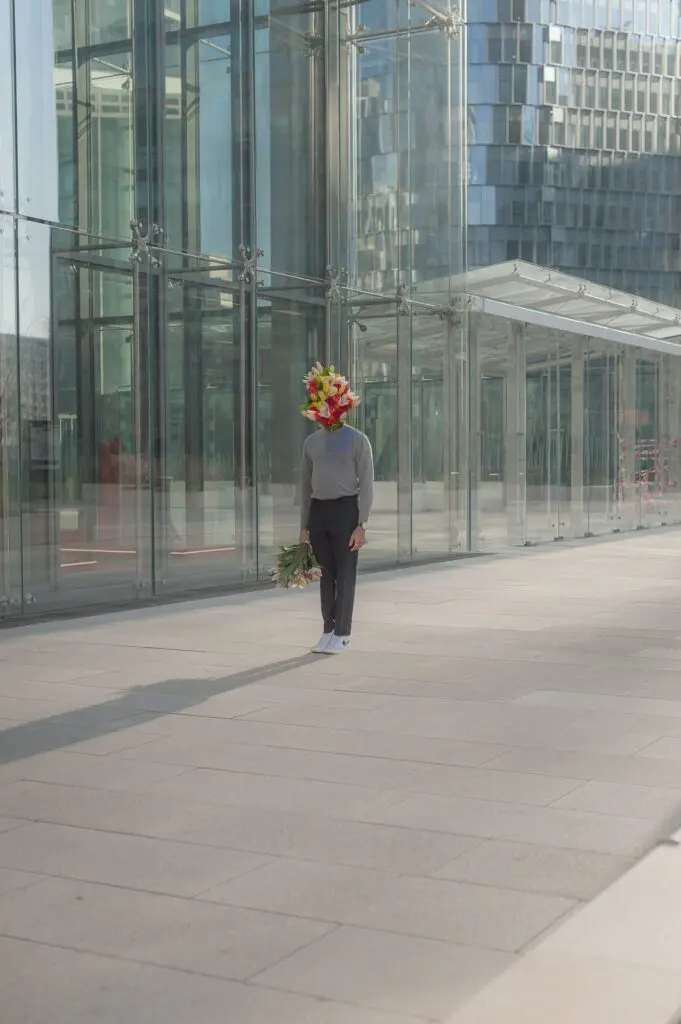
Conceptual photography embodies a style wherein the primary focus lies on the concept or notion being conveyed, rather than merely the aesthetic merit of the image. It serves as a medium of visual expression, employing photography to communicate ideas, notions, and sentiments to the observer.
Diverging from documentary or journalistic photography, which aims to narrate factual events, conceptual photography seeks to stimulate the audience into contemplating the communicated message. This spectrum encompasses societal critique as well as personal introspection, manifesting through diverse avenues like symbols, metaphors, or abstract configurations.
A multitude of techniques contribute to the creation of conceptual photography. Among the prevalent methodologies, symbolism stands out, deploying objects to signify specific ideas. For instance, a photograph featuring a bird might epitomize freedom, while an image of a flower could encapsulate themes of friendship or love.
Metaphors and abstract forms present an alternate approach to achieving conceptual photography. Metaphors entail juxtaposing two distinct entities that share a certain resemblance. For instance, an image portraying a person bearing a weighty burden might metaphorically encapsulate the concept of emotional or mental strain.
Numerous conceptual photographers also employ abstract configurations to articulate their concepts. This involves utilizing shapes, hues, and textures that may not be immediately recognizable yet retain significance for the beholder. For instance, an abstract form captured in a photograph might symbolize the concept of transformation or change.
The realm of conceptual photography has attracted numerous distinguished practitioners, including Cindy Sherman, Andreas Gursky, and Sophie Calle. Their work frequently carries potent socio-political undertones, addressing topics ranging from gender and race to class dynamics.
Check out all of our courses here
Begin with an idea, not with a location. Write down one sentence that describes what you want to say, for example “time slips away” or “home is a feeling”. Then think about objects, light and gestures that can express that idea without words.
Next, make small sketches before you pick up the camera. This sounds old-fashioned, but it saves a lot of time on set. Afterwards, edit with restraint: in conceptual photography the edit should support the idea, not distract from it.
For inspiration, look at the work of photographers such as Duane Michals and Cindy Sherman. The MoMA collection has a large online archive of their photographs.